Discover Comprehensive Insights on Liver Blood Tests Available Throughout the UK
What Is Involved in the Process of a Liver Blood Test?
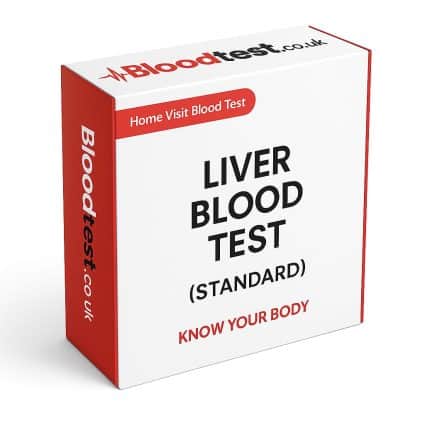
Private Liver Blood Test in Portsmouth: A liver blood test measures enzymes and proteins in the bloodstream, enabling healthcare professionals to assess liver health and function. This essential test plays a crucial role in identifying conditions such as hepatitis, fatty liver disease, and cirrhosis. In the context of UK healthcare, practitioners depend on liver blood tests to detect early signs of liver problems, which is vital for initiating timely treatment and improving patient outcomes.

For example, NHS practices frequently incorporate these tests into annual health assessments, particularly for individuals with risk factors such as excessive alcohol consumption, obesity, or a family history of liver disease. The results of these tests can provide critical insights, informing further investigations or personalised treatment plans that align with each patient’s unique health circumstances and needs.
What Varieties of Liver Blood Tests Are Commonly Available?
In the UK, various types of liver blood tests are routinely performed to assess liver health. The most prevalent tests include alanine aminotransferase (ALT) and aspartate aminotransferase (AST), which measure liver enzyme levels. Elevated ALT and AST levels can indicate potential liver damage or inflammation. Another significant test measures bilirubin levels, which is essential for diagnosing conditions such as jaundice or bile duct blockages.
Additionally, tests for albumin and prothrombin time evaluate the liver’s capacity to produce essential proteins and its overall functionality. By comprehending the implications of these tests, patients can actively engage in their health management and make informed decisions regarding their liver care strategies.
How Can You Properly Prepare for Your Liver Blood Test in Portsmouth?
Preparing for a liver blood test is both straightforward and essential to ensure accurate results. Patients in Portsmouth should adhere to these guidelines: firstly, it is generally recommended to fast for at least 8 hours before the test, refraining from food and beverages with the exception of water. Furthermore, individuals should abstain from consuming alcohol for at least 24 hours prior to the test to prevent any interference with the results. It is also crucial to inform healthcare providers about any medications taken, as certain drugs can influence liver enzyme levels. The primary preparation tips include:
- Fast for at least 8 hours before the test
- Refrain from alcohol consumption for 24 hours prior
- Notify the healthcare provider of any medications
- Stay well-hydrated with water leading up to the test
By following these recommendations, patients can help ensure their liver blood test results are as accurate as possible, facilitating effective diagnosis and treatment pathways tailored to their needs.
How Can You Make Sense of Your Liver Blood Test Results?
Interpreting liver blood test results requires careful analysis of enzyme levels and other indicators against established NHS benchmarks. Elevated bilirubin levels, for instance, may suggest liver dysfunction or damage and warrant further evaluation. Understanding these results is paramount for patients, as they often indicate the necessity for follow-up consultations with healthcare professionals. Common abnormalities might include elevated ALT and AST levels, typically indicating liver inflammation or injury.
Conversely, low albumin levels may signal diminished liver function. Patients are encouraged to consult their GP or specialist to discuss their results and comprehend their implications for ongoing health management. This collaborative dialogue ensures that individuals receive the necessary guidance and follow-up care tailored to their specific health conditions, enhancing their overall well-being.
What Should You Expect During the Procedure of a Liver Blood Test?
What Are the Specific Steps Involved in the Blood Draw Process?
The procedure for a liver blood test is generally straightforward and efficient, designed to optimise patient comfort and safety. During the appointment at a local clinic in Portsmouth, a healthcare professional will first clarify the process and address any queries the patient may have. The actual blood draw involves a series of steps: a tourniquet is applied to the upper arm to distend the veins, enhancing their visibility. Following this, a sterile needle is gently inserted into a vein, typically in the arm, to draw a small blood sample into a vial.
This procedure usually lasts only a few minutes, and the discomfort experienced is generally minimal, comparable to a quick pinch. Once the blood is drawn, a cotton ball or bandage is applied at the site to prevent bleeding. This efficient process demystifies the experience for patients, empowering them to approach their liver blood test with confidence and ease, knowing what to expect.
How Are the Results Analysed and What Do They Indicate?
Once the blood sample is collected, it is dispatched to a laboratory for thorough analysis, where trained professionals evaluate liver health markers. Common tests include ALT, AST, alkaline phosphatase, bilirubin, and albumin. Each of these markers provides insights into different facets of liver function. For example, heightened ALT and AST levels frequently indicate liver inflammation, while increased alkaline phosphatase levels may suggest bile duct obstruction.
Grasping these standard markers is essential for patients, as this knowledge enables them to better assess their liver health status. If any abnormalities are detected, healthcare providers typically recommend follow-up testing or imaging to investigate potential liver conditions further and ensure that appropriate care pathways are initiated promptly.
What Minor Risks Should You Be Aware of During the Test?
While liver blood tests are typically safe, there are minor risks associated with the procedure. Patients might experience slight bruising or discomfort at the injection site, which usually resolves quickly. In rare instances, individuals may experience minimal bleeding or faintness. It is crucial to discuss any concerns with the healthcare professional before the test, as they can offer insights into what to expect and how to manage potential side effects effectively.
Post-procedure care involves keeping the site clean and dry while applying gentle pressure to minimise the likelihood of bruising. By being aware of these minor risks, patients can make informed decisions about proceeding with the test and ensure a smoother testing experience.
What Preparations Are Essential for Achieving a Successful Test?
Preparation for a liver blood test is vital to ensure reliable and accurate results. Key steps include adhering to fasting protocols, wherein patients are typically advised to refrain from food and drink for at least 8 hours before the appointment. This precaution helps prevent any interference with test outcomes. Additionally, patients should consult their GPs about any medications or supplements they are currently taking, as certain substances can significantly affect liver function tests.
Following these guidelines not only facilitates successful testing but also promotes overall patient wellness by ensuring results accurately reflect the liver’s health. Engaging in this preparatory phase underscores the significance of proactive health management and empowers patients to take charge of their health.
Why Is Undergoing a Liver Blood Test Essential for Comprehensive Health Assessments?
What Makes This Test an Indispensable Element of Your Health Assessments?
The liver blood test is an invaluable component of regular health checks, especially for individuals at heightened risk of developing liver disease. Early detection of liver-related conditions significantly enhances treatment outcomes and overall health management. The key advantages of opting for this test include:
- Early identification of liver conditions
- Monitoring the efficacy of treatments
- Guiding lifestyle and dietary changes
- Establishing a baseline for future comparisons
By integrating liver blood tests into routine health assessments, patients can take proactive steps to safeguard their liver health. These tests empower individuals to collaborate closely with their healthcare providers, fostering an environment of awareness and engagement that is vital to effective health management and long-term well-being.
How Do Test Results Shape Treatment Plans?
Findings from liver blood tests play a crucial role in shaping treatment plans within the UK healthcare system. Depending on the specific results, healthcare professionals can tailor therapeutic strategies to align with individual patient needs. For instance, if elevated liver enzyme levels are noted, a doctor may advise lifestyle modifications, including dietary adjustments, increased physical activity, or cessation of alcohol consumption.
In cases of confirmed liver disease, treatment regimens may involve medications or referrals to specialists. Patients are encouraged to engage in open discussions with their healthcare providers about their results, as this dialogue can lead to personalised care strategies and improved health outcomes. This collaborative approach ensures that treatment is precisely aligned with the patient’s unique circumstances, preferences, and health goals.
What Long-Term Health Benefits Can Regular Liver Testing Provide?
Regular liver blood tests are essential for ongoing liver care and supporting long-term health. By identifying potential issues early, patients can implement preventive measures that significantly reduce the risk of progressive liver disease. Strategies may include regular monitoring, lifestyle modifications, and adherence to prescribed treatments. This proactive approach not only bolsters liver health but also fosters overall well-being.
Individuals who undergo routine liver assessments often report greater satisfaction with their health management, feeling informed and empowered about their health status. Consequently, regular testing becomes fundamental to sustained wellness, promoting a culture of proactive health management that is particularly vital in the UK healthcare landscape.
What Advantages Can You Reap from Liver Blood Tests?
Research-Backed Insights into the Benefits of Liver Blood Tests in Portsmouth
What Key Findings Have Recent Studies Highlighted Regarding Liver Health?
Recent studies in the UK have underscored the effectiveness of liver blood tests in facilitating early disease detection and management. Evidence indicates that individuals who undergo regular liver screenings are more likely to identify liver conditions at manageable stages, leading to significantly improved health outcomes. Real-world success stories from NHS practices demonstrate that early detection of fatty liver disease through routine testing has enabled interventions, including lifestyle changes and medical treatments, which have successfully reversed the condition in numerous cases. Expert evaluations of these findings emphasise the importance of routine testing as a reliable method for monitoring liver health and preventing disease progression.
How Do Liver Blood Tests Contribute to Disease Prevention?
Liver blood tests play a pivotal role in disease prevention, especially when integrated into regular health monitoring routines. By providing essential insights into liver function, these tests enable healthcare providers to identify risk factors and implement preventive measures. For instance, abnormal test results may trigger further investigation, allowing for lifestyle changes or medical interventions that can significantly mitigate future health risks.
Expert analyses of UK health data reveal that individuals who undergo regular liver testing are better equipped to proactively manage their liver health, effectively reducing the incidence of liver-related diseases. This preventive approach not only enhances individual well-being but also contributes to broader public health outcomes, making liver blood tests an essential element of comprehensive health strategies.
What Should Patients Consider When Choosing Different Liver Test Options?
When evaluating liver blood tests, it is crucial to consider the various options available in the UK. Each test serves distinct purposes and provides unique insights into liver health. For instance, while ALT and AST tests are critical for assessing liver damage, bilirubin and alkaline phosphatase tests assist in diagnosing specific conditions such as bile duct obstruction. Patients must engage in discussions with their healthcare providers to determine which tests are most appropriate based on their health history and risk factors. This ensures informed decision-making and optimises the likelihood of obtaining the most relevant results for effective management of liver health.
How to Access Liver Blood Tests Across the UK
Where Can You Find Testing Facilities in Portsmouth?
In Portsmouth, numerous clinics and NHS services offer accessible liver blood testing options. Patients can visit their local GP surgeries, where blood tests are frequently conducted as part of routine health assessments. Additionally, hospitals and specialised clinics in the region provide dedicated liver health services. Online resources and local health directories can assist individuals in locating the nearest facilities, ensuring they can easily access the necessary tests. Moreover, some private laboratories offer these services, providing alternatives for those seeking faster appointments or specialised testing capabilities.
What Are the Cost and Insurance Considerations for Liver Blood Tests?
The costs associated with liver blood tests in the UK can vary significantly depending on the facility and whether the test is conducted through the NHS or a private service. For NHS patients, many tests fall under public health provisions, making them affordable or free at the point of use.
However, private testing may incur fees typically ranging from £50 to £150, depending on the tests conducted. Patients should evaluate their health insurance coverage, as some plans may reimburse the cost of private testing. Understanding these financial factors is essential for making informed decisions regarding routine testing and ongoing liver health management.
What Follow-Up Care Is Available After You Receive Your Results?
Post-test support is a critical component of the liver blood testing process within the UK healthcare system. After receiving test results, patients are encouraged to schedule follow-up consultations with their healthcare providers to discuss findings and outline necessary actions. These consultations provide opportunities to address concerns and develop comprehensive care plans aimed at maintaining or improving liver health. Additionally, healthcare providers may recommend further testing or lifestyle adjustments based on the results, ensuring that patients receive tailored support and guidance to effectively manage their liver health moving forward.
What Preparations Are Required for Liver Blood Tests?
Preparing for liver blood tests is vital for achieving accurate results and minimising discomfort. Patients need to be aware of required preparations, such as fasting protocols, which typically recommend no food or drink for at least 8 hours before the test. Consulting GPs about any medications or supplements is also advisable, as they may affect test results. These preparatory steps contribute to smoother testing experiences and enhance engagement with NHS services. By ensuring all preparation is complete, patients can approach their liver blood tests confidently and with peace of mind.
How Can You Effectively Understand Your Test Results?
Understanding the results of liver blood tests requires a nuanced grasp of common indicators of liver health. Tests typically reveal insights into liver enzyme levels, bilirubin, and liver proteins. Patients must contextualise these results by discussing them with healthcare professionals for accurate interpretation. Abnormalities, such as elevated liver enzymes, may indicate underlying conditions that necessitate further evaluation. Consulting with healthcare providers ensures patients receive appropriate guidance and understand the next steps needed to optimise their liver health and overall well-being.
Frequently Asked Questions About Liver Blood Tests
What Exactly Does a Liver Blood Test Measure?
A liver blood test measures enzymes and proteins in the blood to assess liver health and detect potential diseases affecting liver functionality.
How Often Should I Consider Getting a Liver Blood Test?
The frequency of liver blood tests varies based on individual risk factors; those at risk may require annual checks, while others may be tested less frequently based on their health assessments.
What Do Elevated Liver Enzymes Typically Indicate?
Elevated liver enzymes may indicate liver damage or inflammation and should prompt further investigation or monitoring by a qualified healthcare professional.
Is Fasting Required Before Undergoing a Liver Blood Test?
Yes, fasting for a minimum of 8 hours prior to the test is typically recommended to ensure accurate and reliable results.
Are There Any Risks Associated with Liver Blood Tests?
The risks are minimal, with potential side effects including bruising or discomfort at the injection site, which usually resolve quickly.
How Soon Can I Expect to Receive My Results?
Results are generally available within a few days, dependent on the testing facility and laboratory processing times.
What Should I Do If My Results Are Abnormal?
If results are abnormal, consult your healthcare provider promptly to discuss the implications and necessary follow-up actions to address any concerns.
Can Lifestyle Changes Positively Impact Liver Health?
Yes, lifestyle adjustments such as maintaining a balanced diet, engaging in regular exercise, and reducing alcohol intake can significantly improve liver health and functionality.
Do I Need a Referral to Get a Liver Blood Test?
In many cases, a GP referral is required for NHS testing, whereas private testing may not necessitate one, providing more flexibility for patients.
What Other Tests Might Accompany Liver Blood Tests?
Other tests may include imaging studies, such as ultrasound or MRI, to provide additional insights into liver health and functionality.
Connect with us on Facebook!
This Article Was First Found On https://bloodtest.co.uk
The Article Liver Blood Test in Portsmouth: Essential Information You Need Was Found On https://limitsofstrategy.com