Discover Comprehensive Diabetes Blood Testing Services in Derby
What Makes Diabetes Blood Testing Crucial for Your Health?
Diabetes Blood Test in Derby: A diabetes blood test serves as a vital tool for identifying various types of diabetes through precise measurements of blood glucose levels. In Derby, healthcare professionals frequently employ two main tests: the HbA1c test and the fasting plasma glucose test. The HbA1c test evaluates average blood sugar levels over the past two to three months, offering a comprehensive view of an individual’s glucose control. Conversely, the fasting plasma glucose test requires patients to fast overnight before blood is drawn to accurately assess glucose levels.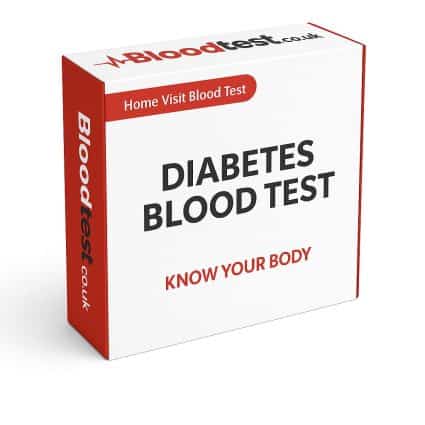

Early detection through these crucial tests can avert severe complications linked to diabetes, such as cardiovascular diseases and nerve damage.
In Derby, residents have access to several common testing options, including:
- Fasting plasma glucose test
- HbA1c testing
- Oral glucose tolerance test (OGTT)
- Random blood glucose test
- continuous glucose monitoring (CGM)
Understanding these essential tests is vital for residents in Derby, as timely testing can significantly improve diabetes management and enhance overall health, leading to a healthier and more fulfilling life.
How Does the NHS Facilitate Diabetes Screening in Your Community?
The National Health Service (NHS) plays an essential role in promoting diabetes screening across Derby, ensuring that residents have access to necessary blood tests. The NHS provides routine screenings that are pivotal for early diagnosis and timely intervention. Through various local health initiatives, the NHS offers educational resources and support to empower individuals to effectively manage their long-term health, thereby reducing the risks associated with diabetes.
In Derby, the NHS has launched several outreach programmes aimed at high-risk individuals. These initiatives offer essential monitoring and advocate for regular check-ups, enabling patients to remain informed about their blood sugar levels. Additionally, the NHS collaborates with local clinics to guarantee that diagnostic tests are accessible in user-friendly environments, promoting patient engagement and compliance with health recommendations.
What Symptoms Indicate That You Should Get Tested for Diabetes?
Recognising the symptoms of diabetes is crucial for timely intervention and effective management. Common signs such as frequent urination, excessive thirst, fatigue, and unexplained weight loss often lead individuals in Derby to seek blood tests from their local GP. Additional symptoms may include blurred vision and slow-healing sores, which can indicate potential issues with blood sugar levels.
In the UK, established medical guidelines suggest that anyone experiencing these symptoms should promptly consult a healthcare professional. Early detection through blood testing not only aids in managing the disease but also enhances overall health outcomes, significantly decreasing the risk of complications. By being aware of these vital symptoms, individuals in Derby can take proactive steps towards maintaining their health.
In-Depth Overview of Diabetes Testing Options Available in the UK
What Does the Fasting Plasma Glucose Test Involve?
The fasting plasma glucose test is a widely recognised diagnostic method employed throughout the UK, including Derby. This test requires individuals to refrain from eating for at least 8 hours prior to having a blood sample collected. The results of this test provide a clear indication of blood glucose levels, enabling healthcare professionals to accurately diagnose diabetes.
The testing procedure is straightforward: patients arrive at the clinic after fasting, a blood sample is drawn, and the samples are sent to a laboratory for analysis. Typically, results are available within a few days, offering timely insights into the patient’s health status. This approach is particularly effective in identifying individuals with prediabetes, allowing for early intervention and lifestyle changes to prevent progression to type 2 diabetes.
What Procedures Are Involved in Oral Glucose Tolerance Tests?
The oral glucose tolerance test (OGTT) is an essential diagnostic procedure used in Derby, especially for diagnosing gestational diabetes. This test assesses how effectively the body processes sugar following an overnight fast. Initially, a fasting blood sample is taken, after which the patient consumes a glucose solution. Subsequently, blood samples are collected at regular intervals to monitor how quickly glucose is cleared from the bloodstream.
The OGTT is particularly critical for pregnant women, as it helps evaluate their risk for gestational diabetes, which can significantly impact both mother and child. Local clinics in Derby provide this test, ensuring that results inform personalised treatment plans, which may include dietary changes and, if necessary, insulin therapy.
What You Need to Know About HbA1c Testing Procedures
HbA1c testing plays a fundamental role in diabetes management in Derby. This blood test measures average blood sugar levels over the past two to three months, offering a more comprehensive perspective than a single blood glucose reading. By understanding long-term glucose control, healthcare providers can effectively tailor treatment strategies to meet individual patient needs.
In Derby, healthcare practitioners advocate for regular HbA1c testing as a critical component of ongoing diabetes management. The procedure is uncomplicated: a blood sample is drawn and analysed in a laboratory, usually yielding results within a few days. Based on these findings, healthcare providers can make necessary adjustments to medications or lifestyle factors to ensure optimal diabetes control for their patients.
How Can You Prepare Effectively for a Diabetes Blood Test?
What Essential Steps Should You Follow Before Undergoing Your Test?
Preparing for a diabetes blood test is crucial for ensuring accurate results. In Derby, healthcare providers commonly recommend that patients adhere to specific guidelines, including fasting for at least 8 hours prior to testing. This preparation is particularly critical for tests like the fasting plasma glucose test, where food intake can significantly influence blood glucose levels.
Additionally, individuals may be advised to avoid strenuous physical activity, as this can also impact test outcomes. Patients should communicate openly with their healthcare providers regarding any medications they are taking, as certain drugs may affect blood sugar levels. By following these recommendations diligently, patients can help ensure the most reliable test outcomes, which in turn facilitates effective diabetes management strategies.
What General Pre-Test Guidelines Should You Follow Across the UK?
In Derby, patients preparing for a diabetes blood test should adhere to UK-recommended protocols to enhance test accuracy. These guidelines typically include avoiding specific foods, particularly those high in sugar and carbohydrates, during the fasting period. Staying hydrated is also highly encouraged, as drinking water can aid venous access and may contribute to clearer test results.
Moreover, patients should refrain from consuming alcohol in the 24 hours before the test, as it can disrupt glucose metabolism and potentially skew results. By adhering to these common pre-test guidelines, individuals can significantly enhance the likelihood of obtaining accurate and meaningful test outcomes.
What Minor Discomforts Should You Be Aware of During Preparation?
While preparing for a diabetes blood test, minor issues such as hunger from fasting are common. However, in Derby, UK, guidelines emphasise the importance of hydration to alleviate discomfort. Drinking sufficient water not only helps dilute blood samples for accuracy but also reduces the risks of dehydration-related complications that may arise from prolonged fasting.
Patients might experience mild headaches or fatigue due to fasting, but these symptoms generally subside once they resume regular eating habits after the test. Individuals should communicate any concerns with their healthcare provider, who can offer advice and reassurance about the process, ensuring it remains safe and straightforward.
Why Is Staying Hydrated Essential During Your Preparation?
Maintaining proper hydration is vital when preparing for a diabetes blood test in Derby. UK health authorities recommend drinking water to ensure that blood samples are as accurate as possible. Adequate hydration dilutes the blood, making it easier to draw samples and minimising the likelihood of complications during the procedure.
Furthermore, staying hydrated can alleviate feelings of hunger or dizziness that may arise during fasting. This simple yet effective strategy enhances overall test reliability and patient comfort. Residents of Derby are encouraged to follow this straightforward preparation advice to ensure they are well-prepared for their diabetes blood tests.
Expert Insights on Diabetes Blood Testing in Derby
What Advanced Diagnostic Techniques Are Being Utilised in Derby?
In Derby, specialists employ a variety of advanced diagnostic techniques to enhance the accuracy of diabetes blood tests. Techniques such as continuous glucose monitoring (CGM) provide real-time insights into blood sugar fluctuations, allowing for timely adjustments to treatment strategies. Local clinics increasingly adopt these advanced technologies, offering patients comprehensive management plans tailored to their unique health needs.
Moreover, healthcare providers in Derby often integrate point-of-care testing, which delivers immediate results, facilitating prompt decision-making. By utilising these innovative diagnostic methods, specialists can provide a higher standard of care, ultimately improving patient outcomes in diabetes management. This level of expertise underscores the importance of selecting local clinics that lead in diabetes care.
Why Is It Important to Choose Accredited Laboratories for Your Testing?
Selecting accredited laboratories for diabetes blood testing in Derby is essential for obtaining accurate and reliable results. Accredited labs adhere to stringent quality control measures and undergo regular inspections to ensure compliance with UK standards. This commitment to quality assurance is particularly vital in diabetes management, where precise test results are crucial for effective treatment planning.
Patients benefit from the expertise and advanced technologies employed by accredited labs, which often utilise experienced personnel and state-of-the-art equipment. By prioritising accredited facilities, individuals in Derby can trust the accuracy of their test results, leading to informed decisions regarding their health and diabetes management strategies.
How Can You Effectively Interpret Your Diabetes Test Results?
Accurate interpretation of diabetes blood test results is crucial for effective disease management. In Derby, healthcare professionals provide expert analysis of these outcomes, assisting patients in understanding their implications and guiding necessary follow-up actions. For example, an HbA1c result above the normal range may indicate the need to adjust diet, exercise, or medication.
Patients are encouraged to discuss their test results with their healthcare providers. This collaborative approach fosters a better understanding of individual health needs and supports the development of tailored management strategies. By effectively interpreting test results, individuals can take proactive measures towards improving their diabetes management and overall wellbeing.
What Are the Key Benefits of Undergoing Diabetes Blood Tests?
How Do These Tests Facilitate Early Detection of Diabetes?
Early detection of diabetes through blood tests in Derby is vital for effective disease management and the prevention of complications. These tests empower healthcare providers to identify at-risk individuals, enabling timely interventions that can significantly improve health outcomes. Regular monitoring of blood sugar levels allows practitioners to customise treatment plans, ensuring individuals receive the necessary support to maintain optimal health.
In Derby, integrating routine testing into healthcare protocols aligns with broader UK health objectives aimed at reducing the incidence of diabetes-related complications. By prioritising early detection, healthcare systems can advocate for healthier lifestyles and improved disease management, ultimately enhancing patients’ quality of life.
What Are the Long-Term Health Benefits of Regular Diabetes Testing in the UK?
Engaging in regular blood testing for diabetes provides long-term health advantages for individuals in Derby. By consistently monitoring blood sugar levels, patients can maintain better control over their condition, aligning with UK health policies that promote sustained lifestyle changes. This ongoing vigilance enables healthcare professionals to make informed adjustments to treatment plans, thereby enhancing overall health and reducing the likelihood of complications.
Moreover, routine testing empowers individuals to take charge of their health and encourages them to adopt healthier habits. In Derby, patients who actively manage their diabetes frequently report an improved quality of life, underscoring the lasting benefits of regular blood testing and diligent health monitoring.
How Do These Tests Influence the Development of Treatment Plans?
Blood tests for diabetes are integral to formulating effective treatment plans for individuals in Derby. By providing critical data on blood sugar levels, these tests inform healthcare professionals about necessary adjustments in medications and dietary choices. This tailored approach ensures that treatment strategies align with individual health goals and circumstances.
To optimise treatment integration, patients can consider implementing the following strategies:
- Maintain regular appointment schedules for blood tests.
- Keep a detailed log of blood sugar readings.
- Discuss any lifestyle changes with healthcare providers.
- Be proactive about reporting any symptoms or concerns.
- Participate in educational programmes on diabetes management.
By incorporating these strategies, individuals can actively engage in their treatment plans, fostering a collaborative relationship with healthcare providers to achieve better health outcomes.
Research-Backed Benefits of Diabetes Blood Testing in Derby
What Evidence-Based Outcomes Have Been Documented from Blood Testing?
Research conducted in the UK highlights the positive outcomes of blood testing for diabetes in Derby. Studies indicate that routine testing improves blood sugar control, significantly lowering the risk of complications. For instance, data suggest that individuals engaged in regular testing are more likely to adhere to treatment plans and implement necessary lifestyle changes.
Based on these findings, patients are encouraged to remain vigilant about their health by prioritising blood tests. The evidence clearly indicates a correlation between consistent monitoring and enhanced health outcomes, emphasising the importance of regular check-ups in diabetes management.
What Key Findings Have Emerged from Recent Trials in the UK?
Recent trials conducted in the UK further elucidate the efficacy of blood testing for diabetes within Derby’s healthcare framework. These studies demonstrate that timely testing correlates with notable improvements in glycaemic control and patient adherence to treatment regimens. Insights derived from these trials emphasise the importance of early detection and ongoing monitoring for effectively managing diabetes.
Local healthcare providers in Derby can leverage these findings to enhance patient education, ensuring residents understand the significance of regular testing. By incorporating trial results into everyday health routines, individuals can take informed actions that improve their diabetes management.
How Can You Integrate Your Test Results into Your Daily Life?
Utilising diabetes test data in daily life involves a proactive approach grounded in UK-recommended practices. Individuals in Derby can leverage their blood test results to make informed decisions regarding diet, exercise, and medication adherence. This integration supports improved health outcomes while empowering patients to take control of their diabetes management.
For effective integration, individuals are encouraged to discuss their results with healthcare providers and set realistic goals based on their health data. Implementing lifestyle changes, such as meal planning and regular physical activity, can further amplify the benefits of blood testing. By actively engaging with their test results, Derby residents can achieve sustained success in managing their diabetes.
Where Can You Find Diabetes Testing Services in Derby?
Local Clinics Providing Blood Tests for Diabetes
Derby boasts numerous local clinics that offer convenient access to diabetes blood tests through the NHS network. These facilities are strategically located throughout the city, enabling residents to schedule appointments and receive timely care with ease. Many local clinics provide a welcoming atmosphere, ensuring that patients feel comfortable during their visits.
Patients can expect a streamlined process at these clinics, with healthcare professionals well-trained in conducting blood tests and providing further guidance on diabetes management. This accessibility aligns with the NHS’s commitment to ensuring that all residents have the opportunity to monitor their health and seek necessary interventions.
What Should You Anticipate at Testing Centres?
Testing centres in Derby adhere to high standards in accordance with UK regulations, ensuring a smooth experience from arrival to results. Upon checking in, patients may need to complete any necessary paperwork. Healthcare providers then guide them through the testing procedure, ensuring clarity and comfort throughout.
Results are typically communicated promptly, with follow-up consultations available to discuss implications and next steps. This patient-centric approach fosters confidence in the testing process, ensuring that individuals feel supported throughout their diabetes management journey.
What Post-Test Support Services Are Available After Testing?
Post-test support services in Derby include UK-based counselling and monitoring programmes designed to help individuals track their diabetes status and make informed adjustments to their treatment plans. These services are essential for maintaining optimal health and ensuring that patients receive ongoing support from healthcare professionals.
Counsellors and diabetes educators are available to guide lifestyle modifications, medication adherence, and strategies for effectively managing blood sugar levels. By utilising these follow-up services, Derby residents can enhance their understanding of diabetes management and remain proactive in their healthcare.
How Should You Prepare for Your Diabetes Blood Test?
In Derby, preparing for a diabetes blood test involves following NHS advice, such as fasting if necessary, to ensure reliable results. Healthcare professionals offer guidance on what to expect and how to make the visit as comfortable as possible. Patients should clarify any questions or concerns with their providers to ensure they feel well-informed and ready for the test.
Furthermore, bringing identification and any relevant medical records can streamline the process. By adhering to preparatory guidelines and engaging with healthcare professionals, individuals can ensure a positive blood testing experience tailored to their specific needs.
What Accessibility and Transport Options Are Available for Testing?
Derby’s testing centres are equipped with facilities for individuals with disabilities, ensuring that all residents can access diabetes blood testing services without undue difficulty. Public transport links are readily available, making it easier for individuals to reach clinics and testing centres throughout the city.
For those who may need additional assistance, many clinics offer support services, including transportation options or guidance on accessible routes. By prioritising accessibility, Derby’s healthcare system aims to ensure that every resident can participate in diabetes monitoring and management initiatives.
What Does the Entire Testing Process Involve?
What is the Step-by-Step Procedure Followed in Derby Facilities?
The diabetes testing process in Derby begins with a consultation where patients discuss their concerns and health history with a healthcare provider. Following this, a blood sample is collected in accordance with UK guidelines, ensuring that all procedures are conducted safely and hygienically. The sample is then sent to a laboratory for analysis, where it is evaluated based on established criteria.
Once the results are available, healthcare providers review them with the patient, discussing the implications and necessary next steps. This thorough process guarantees that individuals not only receive accurate diagnoses but also feel engaged and informed throughout their healthcare journey.
What Are the Expected Timeframes for Receiving Test Results in the UK?
Results from diabetes blood tests in Derby are typically available within a few days, thanks to the efficiency of local laboratories. This swift turnaround allows patients to receive timely feedback on their health status, facilitating prompt follow-up consultations and necessary adjustments to treatment plans.
The rapid availability of results is crucial for effective diabetes management, as it allows for immediate decision-making and intervention. Patients are encouraged to remain proactive about scheduling follow-up appointments to discuss their results and any required changes to their health management strategies.
Are Post-Test Consultations Necessary for Effective Diabetes Management?
In Derby, post-test consultations are standard practice following blood testing, ensuring that patients receive comprehensive guidance based on their results. During these consultations, healthcare providers discuss the implications of test results, helping individuals understand their blood glucose levels and what they mean for their health.
These consultations are vital for developing personalised management plans to improve diabetes control. Patients are encouraged to ask questions and share any concerns, fostering a collaborative relationship with healthcare providers that is essential for successful long-term diabetes management.
What Preparation Guidelines Should Patients Follow in Derby?
In Derby, patients should adhere to UK health authority guidelines for test preparation, such as fasting and avoiding certain foods or drinks, to ensure accurate diabetes testing results. This preparation may include avoiding high-sugar or high-carbohydrate meals before the test, as these can significantly affect blood glucose readings.
Healthcare professionals are available to offer guidance on specific preparation steps tailored to individual needs, helping to minimise any potential errors in the testing process. By following these guidelines, patients can enhance the reliability of their test outcomes, ensuring effective diabetes management.
What Follow-Up Actions Should Be Taken After Testing?
How Can You Monitor Changes in Your Blood Levels After Testing?
Regular monitoring of blood glucose levels following diabetes blood tests is crucial for tracking changes in Derby. By utilizing UK-recommended tools, including glucose meters and continuous glucose monitors, patients can stay informed about their diabetes status and make necessary adjustments to their treatment plans.
This ongoing vigilance not only enhances individual health outcomes but also contributes to the broader public health goal of reducing diabetes-related complications. By actively participating in their health management, Derby residents can gain a greater understanding of their condition and take control of their diabetes journey.
What Lifestyle Adjustments Should You Consider After Receiving Your Test Results?
Based on test outcomes, patients in Derby often adopt UK-advised lifestyle changes to effectively manage diabetes symptoms. These adjustments may encompass dietary modifications, increased physical activity, and stress management techniques, all of which play a critical role in maintaining optimal blood sugar levels.
Local support groups and educational programmes are available to help individuals implement these changes, providing resources and encouragement to foster healthier lifestyles. By making informed decisions post-results, Derby residents can significantly enhance their overall wellbeing and quality of life.
When Should You Schedule Your Next Diabetes Tests for Continuous Monitoring?
In Derby, UK guidelines recommend scheduling follow-up testing based on initial results to promote ongoing diabetes management. Patients with consistently high blood sugar levels may require more frequent testing, while those achieving stable control might follow less frequent schedules.
Regular consultations with healthcare providers help determine the appropriate testing frequency, ensuring that individuals remain engaged in their health management. By adhering to these guidelines, patients can stay proactive about their diabetes care and maintain optimal health.
Frequently Asked Questions About Diabetes Testing
What is the Normal Range for HbA1c Levels?
The normal range for HbA1c levels typically lies between 4% and 5.6%. Levels between 5.7% and 6.4% indicate prediabetes, while 6.5% or higher suggests diabetes.
How Often Should I Get Tested for Diabetes?
Individuals at risk for diabetes should undergo testing annually. Those diagnosed with diabetes may require tests every three to six months, depending on their management plan.
Can I Eat or Drink Before a Fasting Blood Test?
No, individuals must fast for at least 8 hours before a fasting blood test. Water is typically allowed to aid hydration.
What Are the Symptoms of High Blood Sugar?
Symptoms of high blood sugar include increased thirst, frequent urination, fatigue, blurred vision, and headache. It is essential to consult a GP if you regularly experience these symptoms.
Are There Any Risks Associated with Blood Tests?
Blood tests are generally safe, with minimal risks. Some individuals may experience slight discomfort or bruising at the puncture site, but serious complications are rare.
How Do I Interpret My Blood Test Results?
Consult with your healthcare provider to accurately understand your blood test results. They can explain what the numbers mean in the context of your overall health.
What Should I Do If My Blood Sugar Levels Are High?
If your blood sugar levels are high, consult your healthcare provider immediately. They may recommend adjustments to your treatment plan, including dietary changes or medication.
Is It Possible to Reverse Diabetes?
Type 2 diabetes can often be managed or even reversed through lifestyle changes, including weight loss, healthy eating, and regular physical activity.
What Should I Expect During a Diabetes Blood Test?
During a diabetes blood test, a healthcare professional will draw blood from your arm. The process is quick and typically involves minimal discomfort.
How Can I Lower My Blood Sugar Levels Naturally?
To lower blood sugar levels naturally, focus on a balanced diet rich in whole foods, engage in regular physical activity, stay hydrated, and manage stress effectively.
Connect with us on Facebook today!
This Article Was First Found On https://bloodtest.co.uk
The Article Diabetes Blood Test: Essential Information for Derby Residents Was Found On https://limitsofstrategy.com