As Wi-Fi technology continues to advance at an extraordinary pace, many homeowners are pondering the ongoing significance of hardwired data cabling. The convenience provided by wireless connectivity has truly transformed our internet usage behaviours, yet can it entirely substitute traditional cabling solutions?
The straightforward answer is no; wired connections remain essential for an array of applications, especially within homes and businesses that demand high-speed, dependable, and secure networks.
This article thoroughly explores the vital role of Cat 5, Cat 6, coaxial, ethernet, fibre optic cabling, and data points in Australian residences, while elucidating why structured cabling continues to set the standard for reliable connectivity.
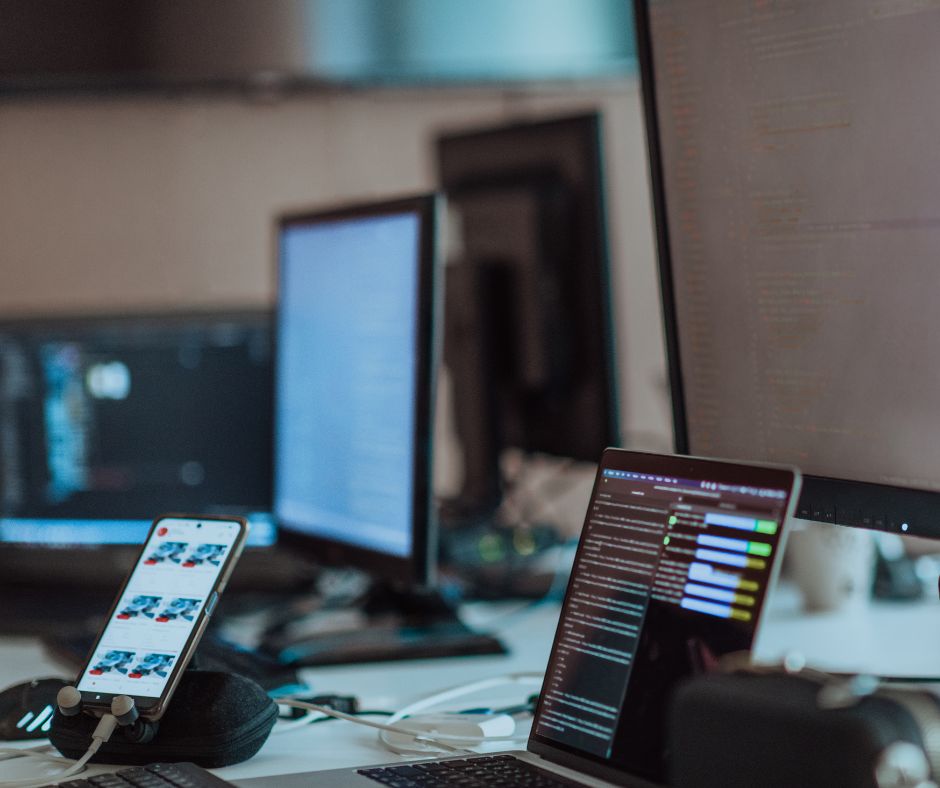
Assessing the Benefits of Wi-Fi Compared to Wired Data Cabling for Enhanced Home Connectivity
Wi-Fi technology has achieved remarkable improvements, with mesh networks and Wi-Fi 6 providing better coverage and faster speeds. However, wireless connections possess inherent limitations, particularly in situations where speed, stability, and security are of utmost importance. Here are several compelling reasons why hardwired cabling remains indispensable in contemporary Australian homes:
1. Experience Unmatched Stability and Speed with Hardwired Connections
Although Wi-Fi offers convenience, it is prone to signal interference caused by walls, household appliances, and other wireless networks. Conversely, a hardwired connection employing Cat 6 or fibre optic cabling significantly reduces this interference, guaranteeing consistent speeds without interruptions. This reliability is especially advantageous for demanding tasks such as high-definition streaming, online gaming, video conferencing, and remote work, where wired connections provide far superior performance compared to their wireless alternatives.
2. Boosting Security and Reliability with Hardwired Solutions
Wi-Fi networks are inherently susceptible to increased risks of hacking when compared to wired connections. Data cabling creates a direct and secure connection, making it the preferred choice for:
- Home security systems that protect your property.
- Smart home automation systems that enhance your living experience.
- Remote work setups that require stable connections.
- Businesses handling sensitive data that need robust security measures.
3. Effectively Managing Bandwidth Across Multiple Devices
Modern households now feature more connected devices than ever before, including smart TVs, gaming consoles, security cameras, smart appliances, and streaming services, all competing for bandwidth. A Wi-Fi-only household may struggle to keep pace under heavy usage, leading to frustrating experiences such as buffering, lag, and slow speeds. Hardwired connections that utilise Cat 6 or fibre optic cabling help alleviate the bandwidth burden on Wi-Fi, ensuring a seamless experience across all devices without interruptions.
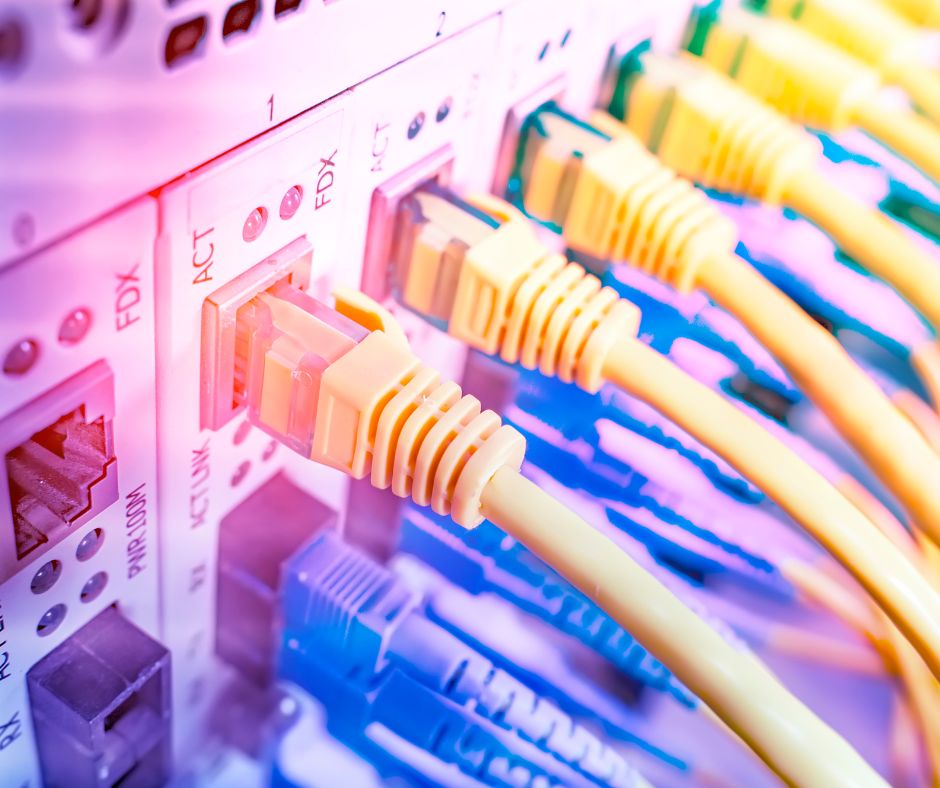
Do Homes Still Require Cat 5 and Cat 6 Cabling for Optimal Performance and Connectivity?
Absolutely! While Cat 5e is gradually becoming outdated, Cat 6 has emerged as the standard for home and office networking due to its superior capabilities.
- Cat 5e supports speeds of up to 1 Gbps, but its limitations are increasingly apparent in modern applications.
- Cat 6 supports speeds of 10 Gbps up to 55 metres, rendering it ideal for modern smart homes, gaming, streaming, and home office environments that require high bandwidth.
Despite the advancements in Wi-Fi 6 and Wi-Fi 7, wired connections will consistently outperform wireless networks in terms of stability and speed, solidifying their status as indispensable components for a reliable internet experience.
Are Coaxial, Ethernet, and Fibre Optic Cabling Still Relevant in Contemporary Homes?
Each type of cabling serves a distinct purpose that addresses different connectivity needs:
- Coaxial Cabling – Still commonly used for pay TV, cable internet, and some security systems. Although its relevance for data networks is waning, it remains significant for Foxtel and NBN hybrid connections.
- Ethernet Cabling – Essential for LAN networks, gaming setups, and office environments where Wi-Fi is unreliable or insufficient.
- Fibre Optic Cabling – Represents the future of networking, delivering blazing-fast speeds with minimal signal loss over long distances. As NBN fibre-to-the-premises (FTTP) expands, fibre optic cabling is rapidly becoming the preferred choice for accessing high-speed internet.
While Wi-Fi manages basic connectivity, wired cabling guarantees optimal performance for bandwidth-intensive applications, ensuring users enjoy the best experience possible.
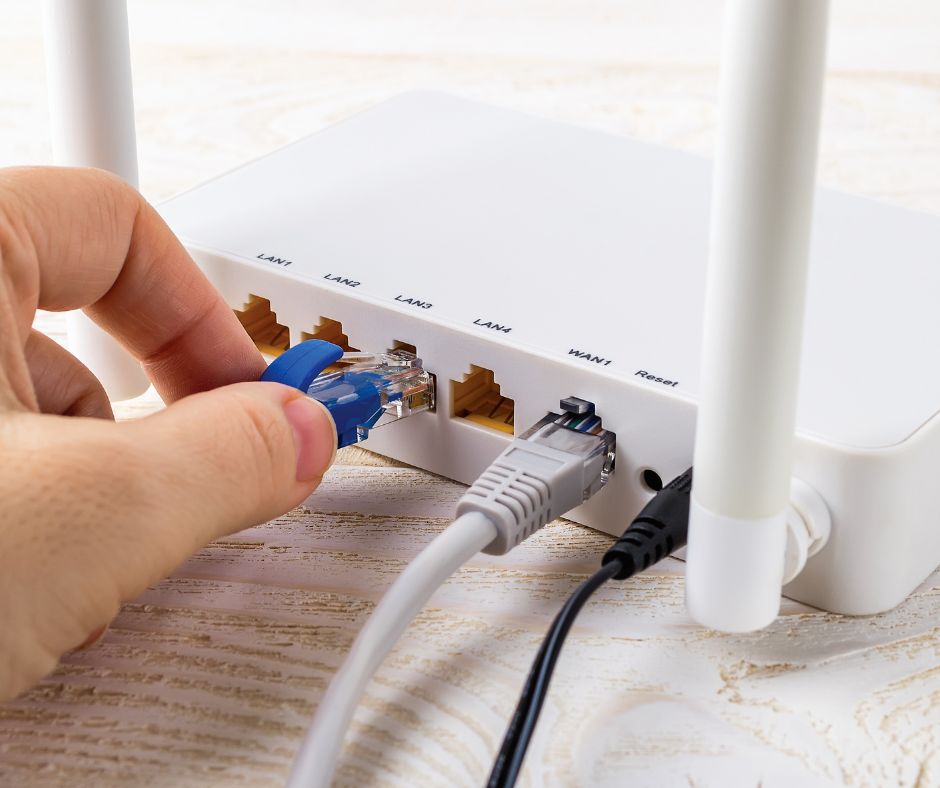
Are Data Points Crucial for Modern Homes to Ensure Reliable Connectivity?
Definitely. Structured cabling and data points are vital in Australian homes, particularly for:
- Smart TVs and entertainment systems – Facilitating seamless streaming of 4K and 8K content without interruptions.
- Gaming consoles and PCs – Providing low latency and stable connections essential for optimal online gaming performance.
- Home offices – Remote work arrangements demand consistent speeds for video calls and cloud applications to maintain productivity.
- Security cameras and intercoms – Wired systems offer enhanced security and reliability compared to Wi-Fi alternatives.
A properly installed structured cabling system delivers flexibility and scalability, ensuring homes are future-proofed for emerging technologies and evolving network demands.
Envisioning the Future of Home Connectivity Solutions in Australia
Australia’s internet infrastructure is progressively shifting towards fibre-based solutions, and while Wi-Fi technology continues to advance, hardwired data cabling remains fundamental for establishing high-performance, secure, and reliable networks that meet the connectivity demands of today.
Essential Takeaways for Homeowners Regarding Data Cabling
- Wi-Fi provides convenience, but wired cabling outshines it in speed, stability, and security for demanding applications.
- Cat 6 is the standard for new installations, effectively replacing the outdated Cat 5e as the go-to choice.
- Fibre optic cabling is the premier choice for ultra-fast, future-proof internet solutions.
- Data points are necessary for gaming, streaming, security systems, and home offices, ensuring seamless operations.
If you’re planning to build or upgrade your home network, investing in professional data cabling will guarantee optimal connectivity for years to come, enabling a reliable internet experience.
For expert advice and professional installation, contact Precision Electrical & Air today. Our dedicated team is committed to ensuring compliance with Australian standards, delivering high-quality structured cabling solutions tailored for homes and businesses.
Frequently Asked Questions About Data Cabling for Homeowners
Is data cabling still necessary in modern homes? Yes. Despite significant improvements in Wi-Fi technology, wired data cabling continues to excel in speed, stability, and security. Applications such as 4K streaming, online gaming, video conferencing, remote work environments, and security systems all show dramatically enhanced performance when utilising a hardwired connection rather than relying solely on Wi-Fi.
What distinguishes Cat 5 from Cat 6 cabling in terms of performance? Cat 5e supports speeds of up to 1 Gbps but is gradually being phased out due to its limitations. In contrast, Cat 6 can manage speeds of up to 10 Gbps over a distance of 55 metres, making it the current standard for new installations in homes and offices. If you are installing data cabling for a new build or renovation, Cat 6 stands as the optimal choice for performance.
Is Wi-Fi 6 sufficient to replace wired cabling in my home? Although Wi-Fi 6 and Wi-Fi 7 have made significant advancements in speed and coverage, wireless connections remain vulnerable to interference from walls, appliances, and competing networks. Wired connections consistently outperform wireless options regarding stability, latency, and security—especially in homes with multiple devices vying for bandwidth.
Are data points still necessary in my home for connectivity? Yes. Data points provide hardwired connections for smart TVs, gaming consoles, desktop computers, security cameras, and home office setups. A well-installed structured cabling system featuring data points in strategic locations future-proofs your home against emerging technologies and reduces reliance on Wi-Fi for bandwidth-intensive applications.
What type of data cabling is best for a Brisbane home regarding performance? The recommendation for most households is to use Cat 6—offering fast, reliable, and cost-effective connectivity for everyday needs. For ultra-fast, future-proof performance, fibre optic cabling is the best option and is increasingly relevant as NBN fibre-to-the-premises expands throughout Brisbane. A licensed data cabling electrician can provide guidance on the most suitable solution for your specific setup.
Is wired data cabling more secure than Wi-Fi? Yes. Wi-Fi networks are more vulnerable to interception and hacking compared to wired connections. Hardwired data cabling remains the preferred choice for home security systems, smart home automation, remote work setups, and any application where data security is paramount.
Can data cabling be installed in an existing Brisbane home without major disruptions? Yes. Data cabling can be retrofitted into existing residences, although this process necessitates more planning compared to installation during new builds or renovations. A licensed electrician can assess your home’s layout and strategically run cabling through wall cavities, ceiling spaces, or conduits to minimise disruption.
Do I need a licensed electrician for data cabling installation in Queensland? Yes. In Queensland, all structured data cabling work must be executed by a licensed electrician or registered cabler. This ensures that the installation complies with Australian standards, guaranteeing it is safe, compliant, and fit for purpose.
The Article: Is Data Cabling Still Worth It in Brisbane Homes? Wi-Fi vs Wired in 2026 first appeared on https://writebuff.com
The Article Data Cabling Value in Brisbane Homes: Wi-Fi vs Wired 2026 Was Found On https://limitsofstrategy.com