Comprehensive Guide to Optimising Your Nonstick Pans for Superior Cooking
What Is Nonstick Coating and How Does It Function Effectively?
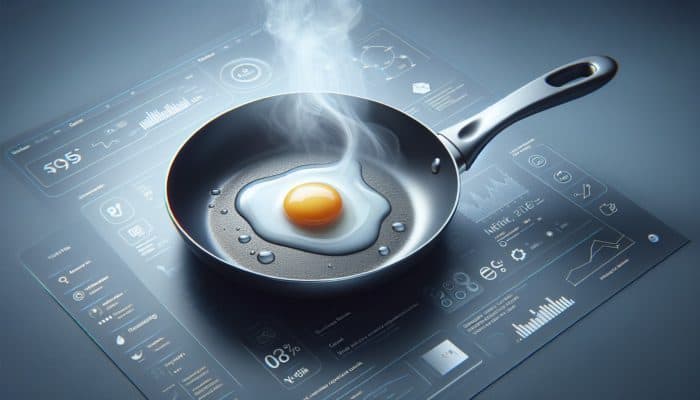
The nonstick coating is a sophisticated surface treatment designed to effectively prevent food from sticking to cooking surfaces, dramatically improving the overall cooking experience. This innovative technology encourages even cooking and simplifies cleanup, making it a preferred choice among home chefs. The most prevalent material used for nonstick coatings is PTFE (polytetrafluoroethylene), renowned for its smooth texture, exceptional durability, and resistance to wear. Here are the key characteristics of nonstick coatings:
- Durability: Nonstick coatings are specifically engineered to withstand daily cooking wear and tear, ensuring prolonged use and functionality.
- Heat Resistance: These coatings can endure high temperatures without losing their effectiveness, making them ideal for diverse cooking techniques.
- Ease of Use: Nonstick pans allow for minimal oil usage, promoting healthier meals and easier cooking.
- Healthier Cooking: The need for additional fats and oils is significantly reduced, resulting in meals that are lower in calories and healthier overall.
By understanding these features, you can make a well-informed decision when selecting the most suitable nonstick pan that meets your individual cooking requirements.
Essential Materials Employed in the Manufacturing of Nonstick Pans
Nonstick pans are typically constructed from a variety of materials that create a slick surface, reducing friction throughout the cooking process. The most common base materials include aluminium and stainless steel, both of which are treated with nonstick coatings. To enhance the durability of these pans, proper care is paramount. For instance, steering clear of utensils that could scratch the coating and avoiding excessive heat exposure are critical for maintaining the coating's integrity. The longevity and performance of your nonstick cookware heavily depend on the care it receives in your kitchen.
How to Guarantee the Longevity and Performance of Nonstick Pans Through Effective Care
Maintaining your nonstick pans is essential not only for preserving their functionality but also for fostering healthier cooking habits. Regular maintenance prevents the accumulation of food residue, which can adversely affect the nonstick surface, allowing your pans to operate at their peak. Implementing efficient cleaning routines and adopting careful usage practices are vital for safeguarding the integrity of the coating. This commitment results in improved cooking outcomes, enhanced food release, and a reduced risk of health issues associated with deteriorating cookware. By prioritising the upkeep of your nonstick pans, you can foster a healthier cooking environment.
How Does Nonstick Coating Experience Degradation Over Time?

What Factors Contribute to the Wear and Tear of Nonstick Coatings Over Time?
Multiple factors can significantly impact the wear and degradation of nonstick coatings as time passes. Frequent exposure to high temperatures can lead to the breakdown of the coating, resulting in flaking and a loss of nonstick effectiveness. Moreover, the use of abrasive tools, such as metal spatulas, can scratch the surface and compromise its performance. By understanding these contributing factors, users can adopt improved handling and usage practices that prolong the lifespan of their nonstick pans, ensuring they remain in optimal condition for an extended period.
What Are the Warning Signs of Damage in Nonstick Pans That Users Should Look Out For?
Recognising the signs of wear on nonstick pans is crucial for maintaining their effectiveness. Visible scratches, peeling, or food sticking are clear indicators that your pan may be compromised. These warning signs should not be overlooked, as they can lead to further deterioration if neglected. Early intervention through proper care can help maintain your cookware’s condition and ensure safe cooking practices. Regularly inspecting your pans will allow you to identify issues before they escalate, helping you to uphold their optimal performance.
How Does Coating Degradation Impact Cooking Performance and Food Quality?
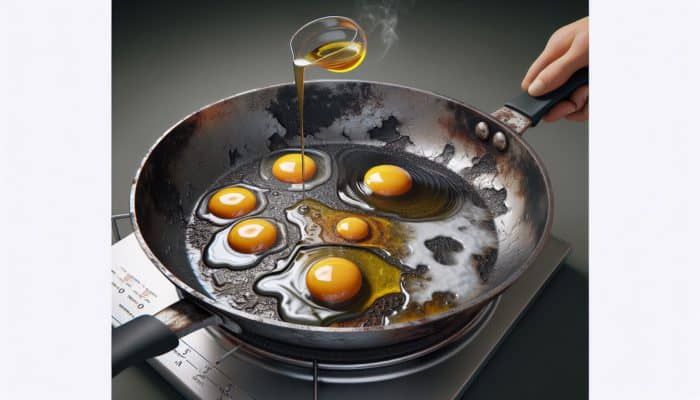
The deterioration of a nonstick coating directly impacts its cooking performance. As the coating wears down, its capacity to evenly distribute heat diminishes, resulting in unevenly cooked meals. Furthermore, food release becomes less effective, necessitating additional oil or butter, which undermines one of the primary benefits of using nonstick cookware. By implementing simple maintenance routines, users can mitigate these negative effects and maintain the optimal performance of their pans, ensuring consistently delightful cooking results.
Expert Insights for Effectively Maintaining Your Nonstick Pans
Establishing Daily Cleaning Routines for Sustained Performance
Creating a gentle daily cleaning routine is essential for extending the life of your nonstick pans. After cooking, allow the pan to cool slightly to prevent warping. Use warm, soapy water and a soft sponge to clean the surface, avoiding harsh chemicals that could damage the coating. For optimal results, consider using mild detergents that will not strip the nonstick layer. Rinse thoroughly and air-dry to prevent moisture accumulation, which can lead to rust on metal components. Consistently following these steps will guarantee that your pans remain in excellent condition for regular use.
Conducting Weekly Inspections for Proactive Care and Maintenance
Regular weekly inspections of your nonstick pans are vital for their upkeep. Visually examine the surface for signs of wear, such as scratches or peeling. Additionally, conduct a tactile check by running your fingers across the coating to detect any rough areas. Early identification of wear allows you to take necessary precautions or adjust your cooking methods to prevent further damage. These straightforward strategies contribute to maintaining the quality of your cookware for years, ensuring it remains a reliable tool in your kitchen.
Adopting Best Practices for Long-Term Storage of Nonstick Pans
Effective long-term storage is crucial for preserving the integrity of nonstick pans. When storing, avoid stacking them directly on top of each other, as this can result in scratches and damage. Instead, place a soft cloth or paper towel between pans to provide cushioning. Furthermore, ensure your storage area is dry and free from moisture, as this can lead to rust and degradation. By adopting these expert storage techniques, you not only protect your cookware but also ensure it is ready for use whenever needed, significantly enhancing your cooking efficiency.
Choosing the Right Utensils to Safeguard Your Nonstick Pans
It is crucial to select appropriate utensils to protect the nonstick coating of your pans. Opt for bamboo, silicone, or wooden utensils, as these materials are gentle on nonstick surfaces and significantly reduce the risk of scratching. Avoid using metal utensils, as they can inflict irreversible damage to the coating. By integrating these strategies into your cooking routine, you can not only extend the life of your pans but also prevent potential health hazards associated with deteriorating cookware. Being mindful of the tools you choose can greatly enhance the longevity and performance of your nonstick pans.
What Common Mistakes Should You Avoid When Using Nonstick Pans?
How to Identify Overheating Issues with Nonstick Pans for Safe Cooking?
Overheating nonstick pans is one of the most common mistakes made in the kitchen. Using pans at excessively high temperatures can damage the nonstick coating, leading to poor cooking performance and potential health risks. Learning to monitor heat levels is essential; keeping temperatures within the recommended range helps maintain the integrity of the nonstick surface and guarantees effective cooking. By employing proper heat management practices, you not only enhance your cookware's performance but also improve overall cooking results, yielding delicious meals.
Why Is It Important to Avoid Metal Utensils on Nonstick Cookware?
Utilising metal utensils on nonstick pans can drastically shorten their lifespan. The hardness of metal can scratch and damage the delicate coating, compromising the cooking surface. Opting for safer alternatives, such as silicone or wooden utensils, helps maintain the integrity of the coating, ensuring your pans continue to perform well over time. By making this minor adjustment in utensil selection, you can significantly enhance the durability of your nonstick cookware and elevate your overall cooking experience.
What Are the Risks Associated with Improper Cleaning Methods for Nonstick Pans?
Employing improper cleaning techniques can accelerate wear on nonstick pans. Using abrasive scrubbers or relying on dishwasher cleaning can strip the coating more rapidly than anticipated. Instead, opt for gentle cleaning methods with soft sponges and warm, soapy water to preserve the material. This careful approach helps ensure that the coating remains intact and functional through repeated use. By being diligent about your cleaning methods, you can maintain the nonstick surface and prolong the life of your cookware, ensuring optimal cooking performance.
How Does Neglecting Oil or Butter Before Cooking Affect Food Release?
Neglecting to add oil or butter before cooking can lead to food sticking and damage the nonstick coating. Always remember to preheat your pan with a light layer of oil or butter to maintain its effectiveness and extend its life. This practice not only aids in food release but also prevents unnecessary wear and tear on your pans. By incorporating this simple step into your cooking routine, you can significantly enhance your cookware's performance and improve your culinary experience, leading to better meal preparation.
Research-Backed Advantages of Regularly Maintaining Your Nonstick Pans
Implementing Effective Cleaning Techniques for Enhanced Durability
Research indicates that using soft sponges and warm, soapy water greatly enhances the durability of nonstick pans. This gentle approach prevents surface scratches and preserves the coating's integrity. To maximise effectiveness, follow these actionable steps: soak the pan in warm, soapy water for several minutes, gently scrub with a soft sponge, and rinse thoroughly. This routine will keep your nonstick surfaces intact and extend their lifespan, allowing you to enjoy your cookware for many years without sacrificing performance.
The Impact of Routine Care on the Longevity of Your Nonstick Pans
Evidence suggests that consistent maintenance significantly reduces the need for replacing nonstick pans. Simple habits, such as proper cleaning and careful handling, contribute to sustained performance and efficiency. Establishing a routine that includes regular inspections and gentle care ensures that your pans remain functional and safe for cooking. By dedicating time to these practices, you will create a reliable kitchen tool that serves you well over time, ultimately enhancing your cooking experience.
Health and Safety Benefits of Properly Maintained Cookware
Well-maintained nonstick pans are vital for ensuring health and safety in the kitchen. Research underscores that regular upkeep prevents harmful chemical leaching, creating safer cooking environments for users. By committing to proper maintenance, you not only improve your pans' performance but also enhance your overall health and safety while preparing meals. This proactive approach to cookware care is essential for any conscientious home cook, helping guarantee delicious, safe meals.
Embracing Sustainable Practices in Cookware Maintenance
Studies reveal that eco-friendly methods for maintaining nonstick pans help reduce environmental impact and waste. Implementing strategies such as using biodegradable cleaning products and avoiding abrasive materials can promote sustainability in your kitchen. By adopting these eco-friendly practices, you can extend the life of your cookware while conserving resources, aligning your cooking habits with a more sustainable lifestyle that benefits both you and the environment.
How Improved Maintenance Enhances Cooking Effectiveness and Food Quality
Research demonstrates that well-maintained nonstick pans improve heat distribution and food release, resulting in superior cooking results. By adopting maintenance habits such as gentle cleaning and selecting appropriate utensils, you can significantly boost the efficiency and quality of your meals. These practices not only elevate your cooking experience but also ensure your nonstick cookware operates at its best, delivering consistent and delicious results every time you cook.
Why Is Proper Storage Essential for Nonstick Pans?
Understanding How Storage Environment Affects Cookware Condition and Lifespan
The manner in which nonstick pans are stored can profoundly influence their condition and longevity. Keeping pans in a dry, well-ventilated area helps prevent rust and moisture damage. Proper storage techniques include avoiding stacking pans without protective layers, as this can lead to scratches and impair functionality. By comprehending the effects of your storage environment, you can adopt better practices that preserve the quality of your cookware, ensuring it remains in excellent condition for many years.
What Are the Consequences of Neglecting Proper Storage Practices for Nonstick Cookware?
Failing to store nonstick pans correctly can lead to deformation or damage to the coating, significantly reducing their effectiveness. Items stacked on top of each other may cause scratches, while exposure to moisture can result in rust. Recognising the importance of effective storage allows you to implement better practices that protect your cookware from damage, extend its lifespan, and maintain its cooking performance, ultimately ensuring your pans remain reliable.
How to Organise Your Kitchen for Optimal Cookware Protection?
Efficient storage systems are essential for safeguarding nonstick pans from daily hazards and wear. An organised kitchen not only facilitates easy access to your cookware but also contributes to long-term reliability during use. Consider utilising hooks, drawer separators, or dedicated shelving to protect your pans from scratches and other forms of wear. Organising your kitchen effectively ensures your nonstick pans remain in excellent shape and are readily available whenever you need them, enhancing your cooking efficiency.
Proven Strategies for Effective Nonstick Pan Maintenance
Incorporating Routine Handling Tips to Extend the Lifespan of Your Cookware
Gentle handling and allowing pans to cool naturally after cooking are crucial for preserving the nonstick coating. Avoid placing hot pans directly into cold water, as this can warp them; instead, let them cool gradually. These straightforward strategies ensure consistent cooking results without complications. By being mindful of how you handle your cookware, you can significantly extend its lifespan and maintain optimal performance over time, ensuring that your cooking experience remains enjoyable and hassle-free.
Implementing Seasonal Deep Cleaning for Best Results and Performance
Incorporating thorough seasonal cleaning should be an integral part of your maintenance routine to eliminate any buildup that may occur over time. This practice, when executed correctly, keeps pans in top condition for ongoing reliability. To carry out a seasonal deep clean, soak your pans in warm water for an extended period to soften any residue, then gently scrub with a non-abrasive cleaner. This approach effectively removes accumulated grease and restores the nonstick surface, improving cooking performance and ensuring the longevity of your cookware.
How to Assess When to Replace Your Nonstick Cookware for Safety?
Knowing when to replace your nonstick pans is essential for maintaining safe cooking practices. Regular checks for signs of wear or damage can guide your decisions regarding when to upgrade. Look for flaking, excessive scratches, or significant wear, as these issues can compromise safety and cooking performance. Understanding the lifecycle of your cookware helps prevent risks associated with using damaged pans, ensuring you have reliable tools in your kitchen that deliver excellent results.
Practicing Safe Storage Techniques for Nonstick Cookware
Proper storage of nonstick pans is crucial to safeguarding the coating from scratches and damage. Always store them in a cool, dry location, and avoid stacking without appropriate cushioning. Using soft cloths or paper towels between pans can prevent direct contact that may lead to surface damage. By adhering to safe storage practices, you can extend the lifespan of your nonstick cookware and ensure consistent performance during cooking, ultimately enhancing your kitchen experience.
Frequently Asked Questions About Nonstick Pans
How often should I clean my nonstick pans for optimal performance and hygiene?
Cleaning your nonstick pans after each use is recommended to prevent residue buildup and maintain their performance. A gentle wash with warm, soapy water is ideal for preserving the coating.
Can I use metal utensils on nonstick pans without causing damage?
It is best to avoid metal utensils on nonstick pans, as they can scratch and damage the coating. Choose silicone, wooden, or bamboo options to protect your cookware.
What temperature ranges are safe for nonstick pans during cooking?
Most nonstick pans are safe up to 180-200°C (350-400°F). Avoid exceeding these temperatures to prevent coating damage and ensure effective cooking.
Is it safe to put nonstick pans in the dishwasher for cleaning?
It is not recommended to put nonstick pans in the dishwasher, as harsh detergents and intense heat can strip the coating and reduce their effectiveness over time.
How can I tell if my nonstick pan is damaged and needs replacement?
Signs of damage include visible scratches, peeling coating, or food sticking during cooking. If you notice these issues, consider replacing the pan to ensure safe cooking.
What is the best way to store nonstick pans to ensure their longevity?
Store nonstick pans in a dry place and avoid stacking them directly on top of one another. Use protective layers, such as cloth or paper towels, to prevent scratches and maintain their condition.
Can I use cooking sprays on nonstick pans safely?
While cooking sprays can be used, frequent use may leave a residue that can affect the nonstick coating. It's best to use a small amount of oil or butter instead for optimal results.
How do I effectively deep-clean my nonstick pans for best maintenance?
To deep clean, soak your pans in warm, soapy water for a while. Then, gently use a soft sponge to remove any residue, and rinse thoroughly for optimal maintenance.
Can I use nonstick pans on an induction cooktop without issues?
Nonstick pans can be used on induction cooktops if they are made of magnetic materials, such as stainless steel. Always check the manufacturer's guidelines for compatibility to ensure safety.
How long should nonstick pans last with proper care and maintenance practices?
With proper care, nonstick pans can last between 3 to 5 years, depending on usage and maintenance. Regular inspections help determine when to replace them for safety.
Stay connected and join us on Facebook for the latest updates!
The post How to Maintain Your Non-Stick Pans: Top Tips appeared first on https://cookinggods.com
The Article Maintain Your Non-Stick Pans with These Essential Tips Was Found On https://limitsofstrategy.com